The Role of a Survey in Negotiating the Final Price
How a survey report can strengthen your position as a buyer.
Buying a home is one of the biggest financial decisions most people make, so it is natural to want to understand exactly what you are getting for your money. This is where a property survey becomes invaluable. Beyond giving you peace of mind, a survey can also play a key role in negotiating the final purchase price, especially if it uncovers issues that were not obvious during viewings.
A professional survey gives you the evidence you need to have an informed, fair discussion with the seller — not just guesswork or assumptions.
Understanding What a Survey Reveals

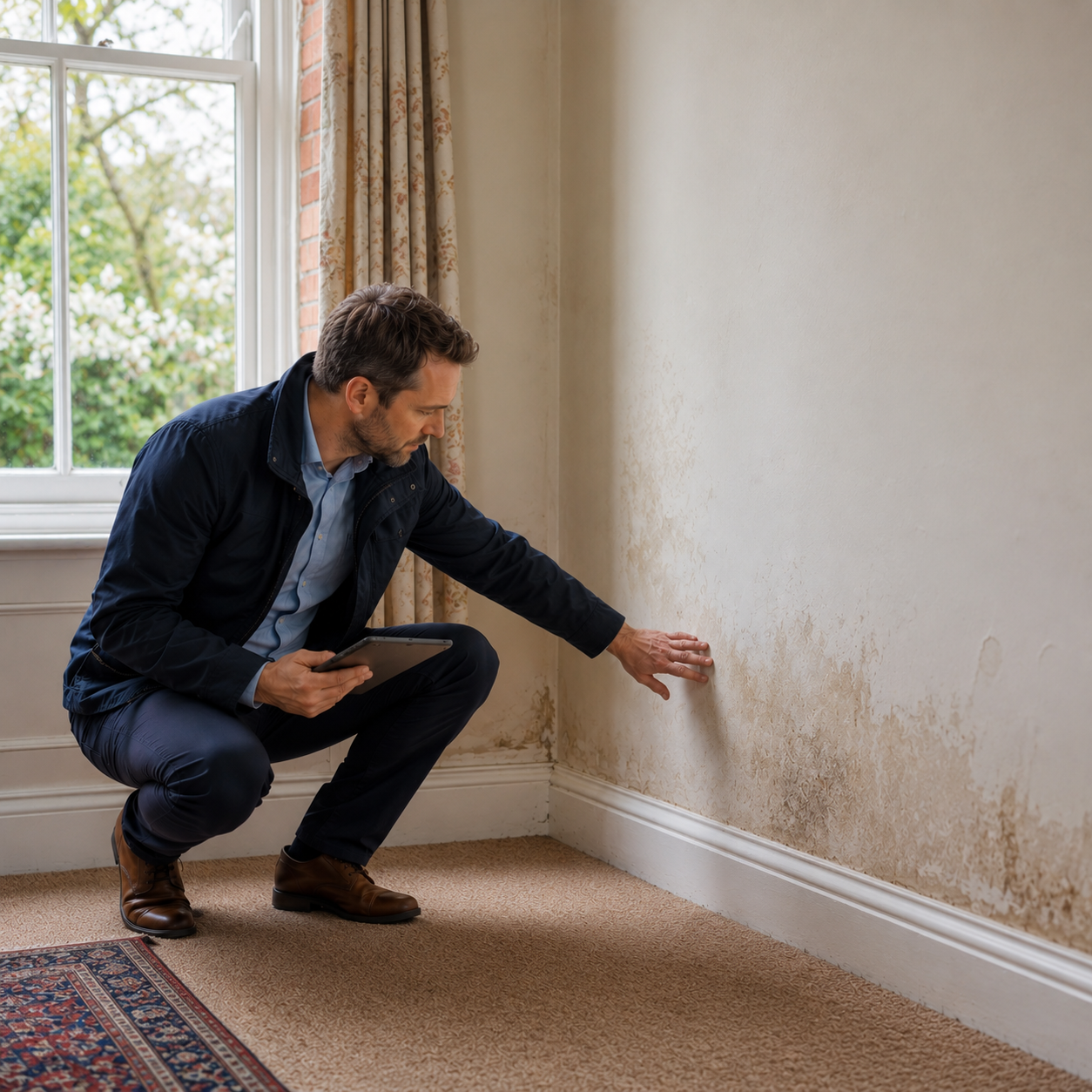
A property survey goes much deeper than a standard valuation. It looks at the structure, condition and potential maintenance concerns of a building. The surveyor’s report might identify problems that could affect the value of the property or future repair costs, such as:
- Damp or rot in floors or walls
- Roof damage or poor drainage
- Subsidence or cracks in walls
- Ageing electrics or plumbing
- Defects with windows, insulation or ventilation
These findings don’t necessarily mean you should walk away. Instead, they give you the facts to decide whether the asking price reflects the true condition of the property.
Using the Report in Negotiations

If the survey highlights significant issues, you have a few realistic options as a buyer.
- Renegotiate the price. Present the findings to the seller and request a reduction to account for the cost of necessary repairs.
- Ask for repairs before completion. In some cases, the seller might agree to fix the issues before the sale goes through.
- Use it to prioritise future work. Even if you decide not to negotiate, you’ll have a clear idea of what needs attention once you move in.
It is worth remembering that a well-prepared, evidence-based negotiation is more likely to be taken seriously. The report adds credibility to your position, as it is written by a qualified professional rather than based on personal opinion.
Being Fair and Informed

Negotiating after a survey is not about driving the price down for the sake of it. It is about making sure the final figure matches the condition of the property. Most sellers understand that and are open to reasonable discussions, especially when presented with clear, factual information.
In some cases, even minor findings can be used to balance the conversation. For example, you might agree to meet in the middle — sharing repair costs rather than expecting a full price drop.
Why It Matters
Without a survey, buyers are often left relying on appearances and assumptions. A detailed report helps you see the bigger picture and prevents unexpected repair costs after completion. It is one of the most effective ways to protect your investment and ensure the price you pay is fair.
For more information on how a survey can help guide your negotiations or to arrange a professional property inspection, visit
www.nickcobbsurveyors.co.uk
Contact Us