Winter Snagging: New-Build Checks Before You Buy.
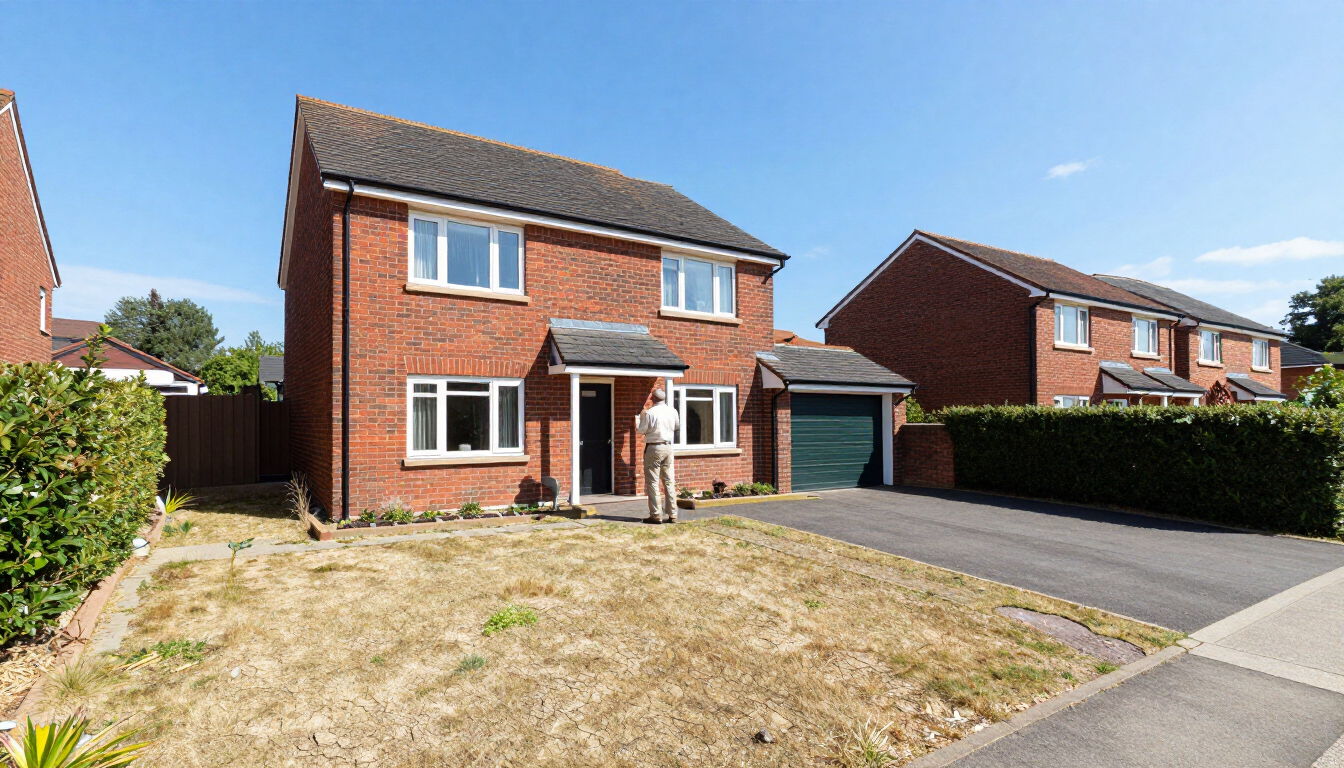
Buying a brand-new home can feel like the safe option. No draughty period features, no ancient wiring, no century-old roof to worry about. But as any Royal Institute of Chartered Surveyors (RICS) will tell you, new-build properties come with their own set of pitfalls and November's cold weather is exactly when they start to show.
If you are currently viewing or about to complete on a new-build in Surrey, Hampshire or Berkshire, now is the ideal time to look beyond the shiny finish and check what's really going on beneath the surface.
Why Winter Reveals What Summer Hides.
New-build homes are often marketed and viewed during warmer months, when everything looks tight, dry and freshly finished; Cold weather changes that. Materials contract, heating systems are pushed into daily use, and any shortcuts taken during construction tend to reveal themselves once temperatures drop.
This is precisely why late autumn, and early winter are such a useful window for spotting snagging issues, problems that should have been fixed before handover but often weren't.
Common Cold-Weather Snagging Issues.
Some of the most frequent problems that emerge once the heating goes on and temperatures fall include:
- Draughts around doors and windows: poorly fitted seals become obvious the moment cold air starts pushing through.
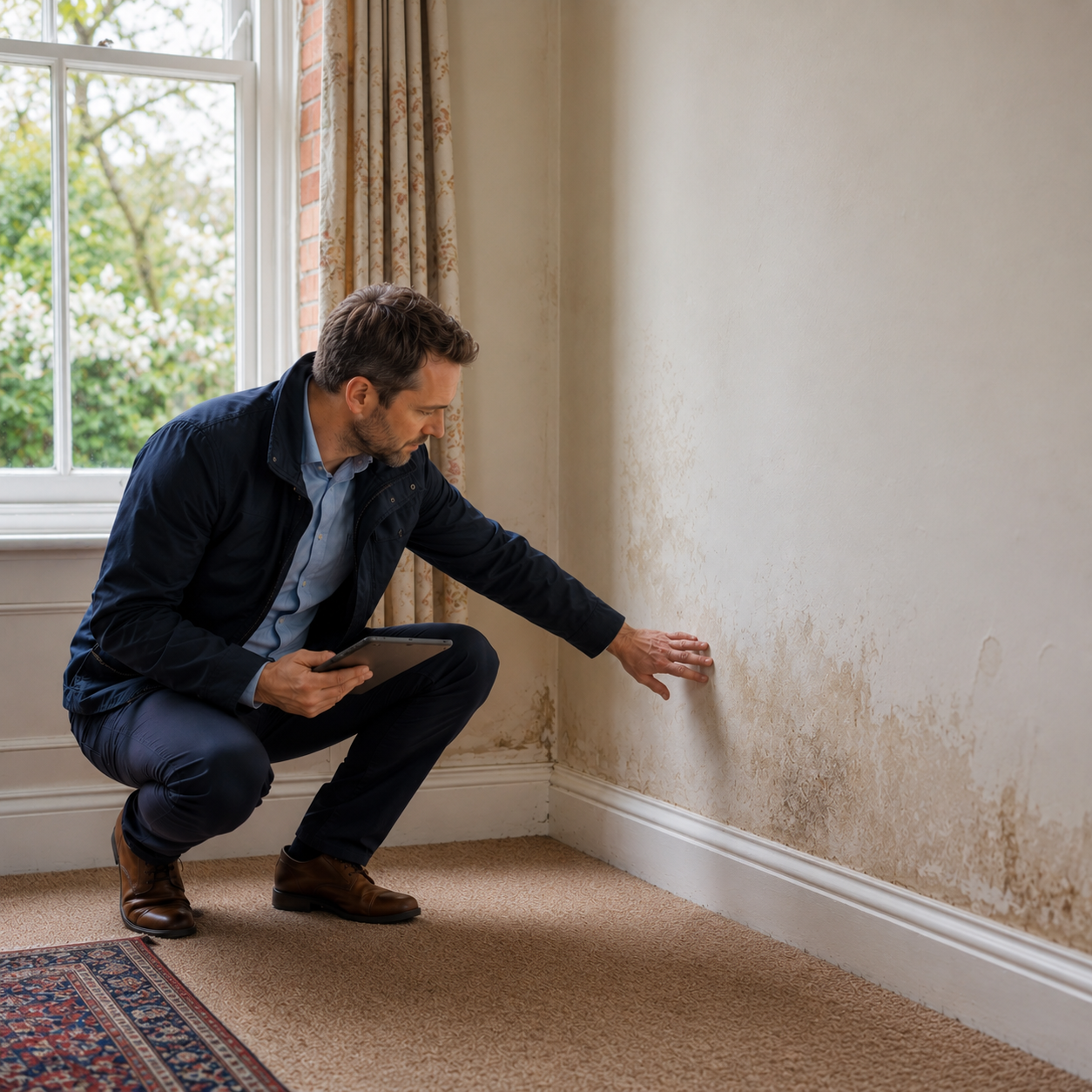
- Condensation and early damp patches: new-build homes can trap construction moisture, and cold surfaces make this visible fast.
- Uneven or underperforming heating: cold spots often point to insulation gaps or poorly installed underfloor heating.
- Cracking around plasterwork: as new timber and materials settle and contract in the cold, minor cracks can appear at joints and ceiling corners.
- Guttering and roofline issues: heavy November rain quickly exposes badly fitted or poorly sealed roof detailing.
None of these are necessarily disasters, but they're the kind of defects that should be raised with the developer while your snagging period is still open, not discovered months later when it's too late to claim.
Why a Professional Snagging Survey Matters.
Developers are required to fix genuine defects within an agreed period after completion, but they rely on buyers to spot and report issues promptly. Many buyers simply don't know what "normal" looks like in a new home, especially when it comes to distinguishing minor settlement from a builder's mistake.
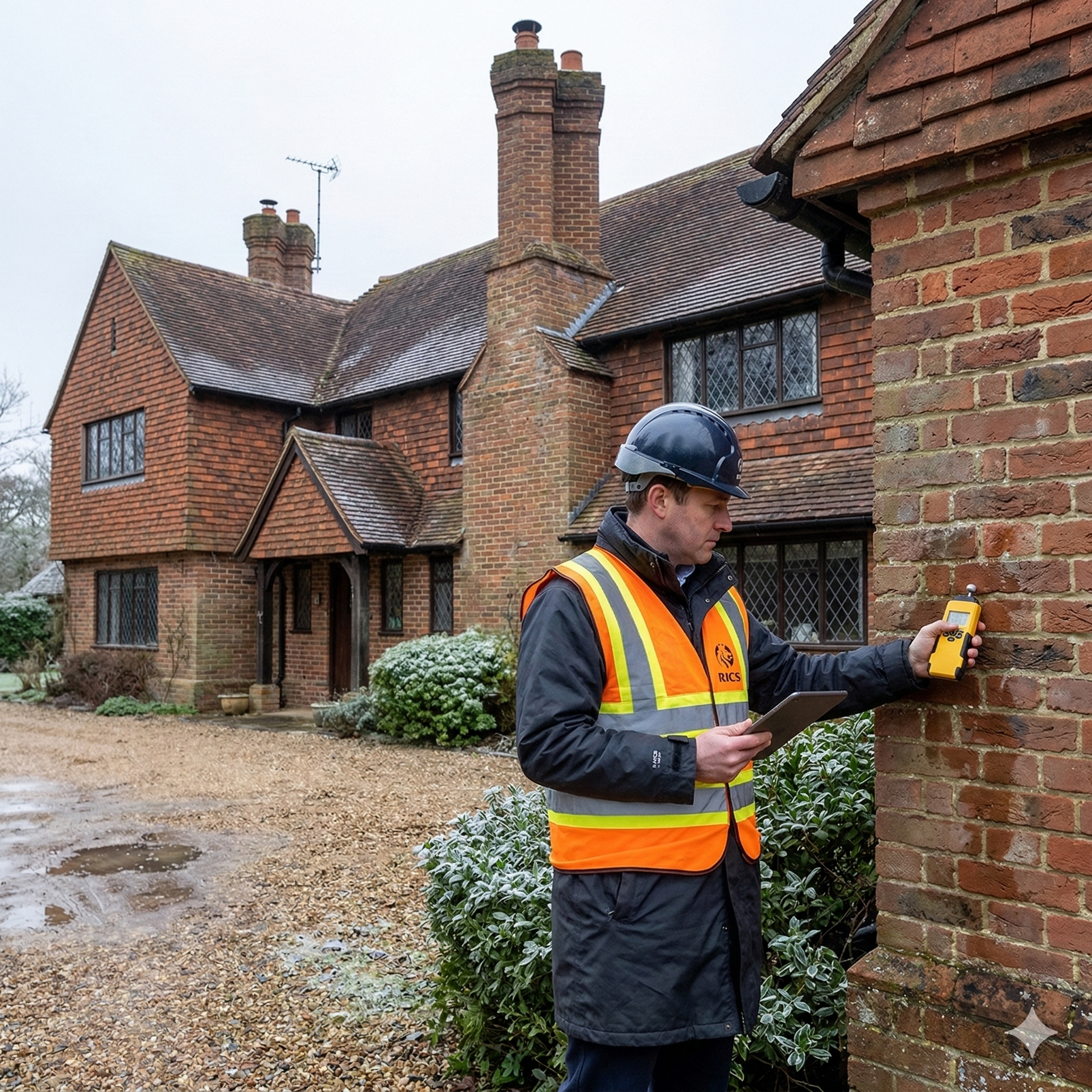
An independent, RICS-qualified inspection gives you a clear, unbiased list of issues prioritised by importance so you can hold the developer to account with confidence rather than guesswork.
A Timely Moment for Surrey, Hampshire and Berkshire Buyers.
With several large new-build developments completing across Surrey, Hampshire and Berkshire this year, November's dip in temperature is a genuinely useful moment to inspect. Heating systems are now running daily, rainfall is testing drainage and roofing, and any early damp or draught issues are far easier to spot than they would have been in July.
If you've recently moved into a new-build, or you're about to exchange, don't wait for spring to check for problems, by then, your snagging window may already be narrowing.
Get Independent Advice Before It's Too Late.
A new-build home should mean fewer surprises, not more. But without an independent inspection, it's easy to miss issues that only become obvious once winter sets in.
As an RICS chartered surveyor based in Virginia Water, I help buyers across Surrey, Hampshire and Berkshire identify snagging issues clearly and confidently, giving you the evidence you need to get problems fixed properly.
Get in touch to discuss a new-build snagging inspection or see our survey comparison guide to understand which type of report best suits your situation this winter.